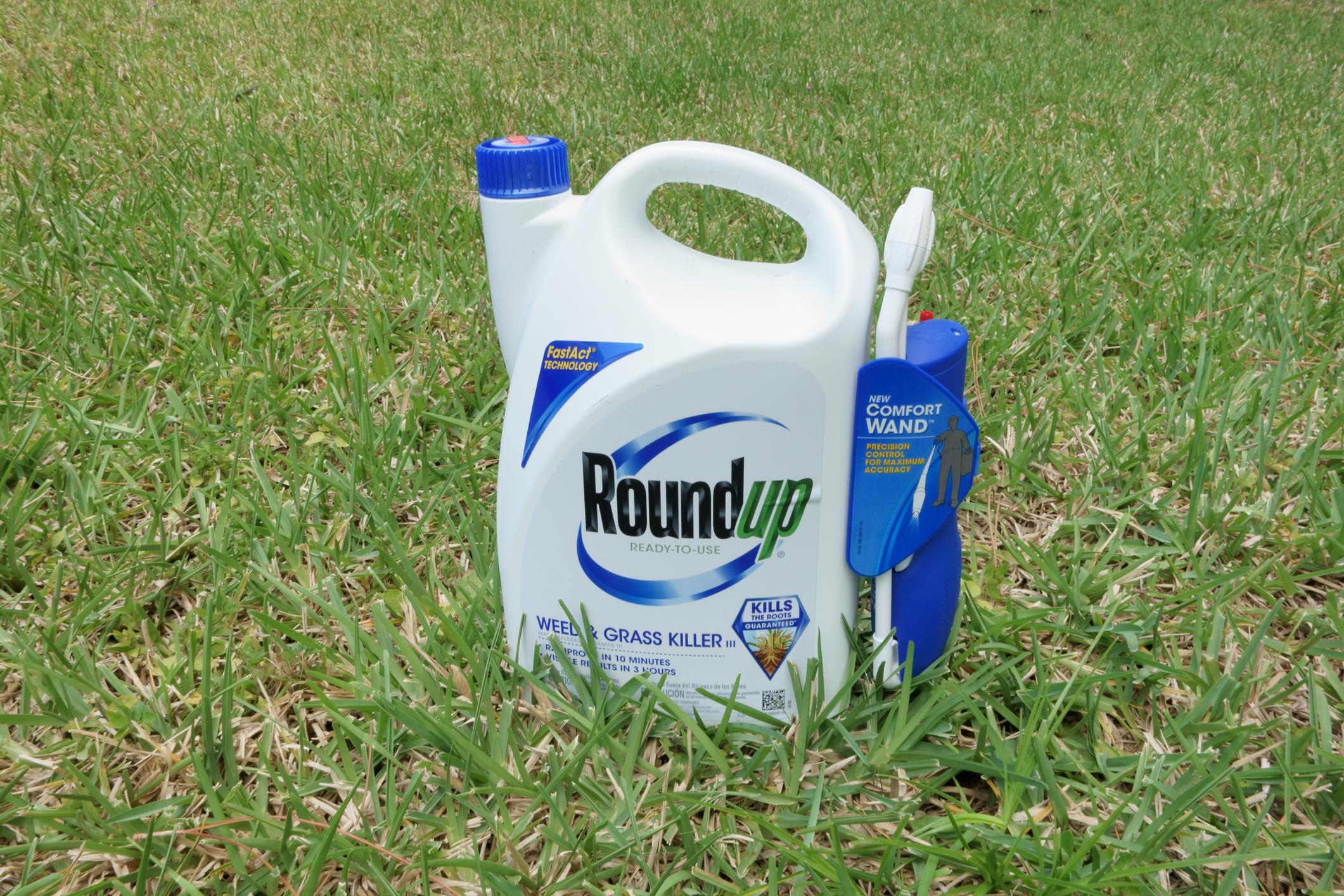
The U.S. Supreme Court has agreed to hear a case that could fundamentally reshape one of the largest mass-tort litigations in American history: the lawsuits alleging that Roundup, the widely used weed-killer, causes cancer.
Roundup has been on the market since the 1970s and became a staple of modern agriculture and home gardening. Its active ingredient, glyphosate, has also been the subject of decades of scientific debate. While some laboratory animal studies and limited human data have suggested a link between glyphosate exposure and certain cancers—most notably non-Hodgkin lymphoma—regulators, including the Environmental Protection Agency, have consistently concluded that the product is safe when used as directed.
That regulatory backdrop sits at the heart of the legal question now before the Court. Bayer, which acquired Monsanto in 2018 and inherited its litigation exposure, argues that federal pesticide law preempts state-law failure-to-warn claims. In plain terms, Bayer’s position is that because the EPA controls pesticide labeling nationwide and has approved Roundup’s label, the company should not be subject to liability under state law for failing to include warnings that federal regulators have declined to require.
Plaintiffs and their supporters see things very differently. They point to internal company documents, evolving scientific evidence, and jury verdicts that have resulted in billions of dollars in damages awarded to cancer victims. They also note that scientific consensus is not static. Just last month, a widely cited journal article reviewing glyphosate’s safety was retracted after concerns emerged about the role company scientists may have played in shaping the research. Meanwhile, the federal government is already scheduled to re-examine glyphosate’s safety by 2026.
If you used Roundup and later developed cancer, particularly non-Hodgkin lymphoma: 919.830.5602.