Articles Tagged with federal preemption

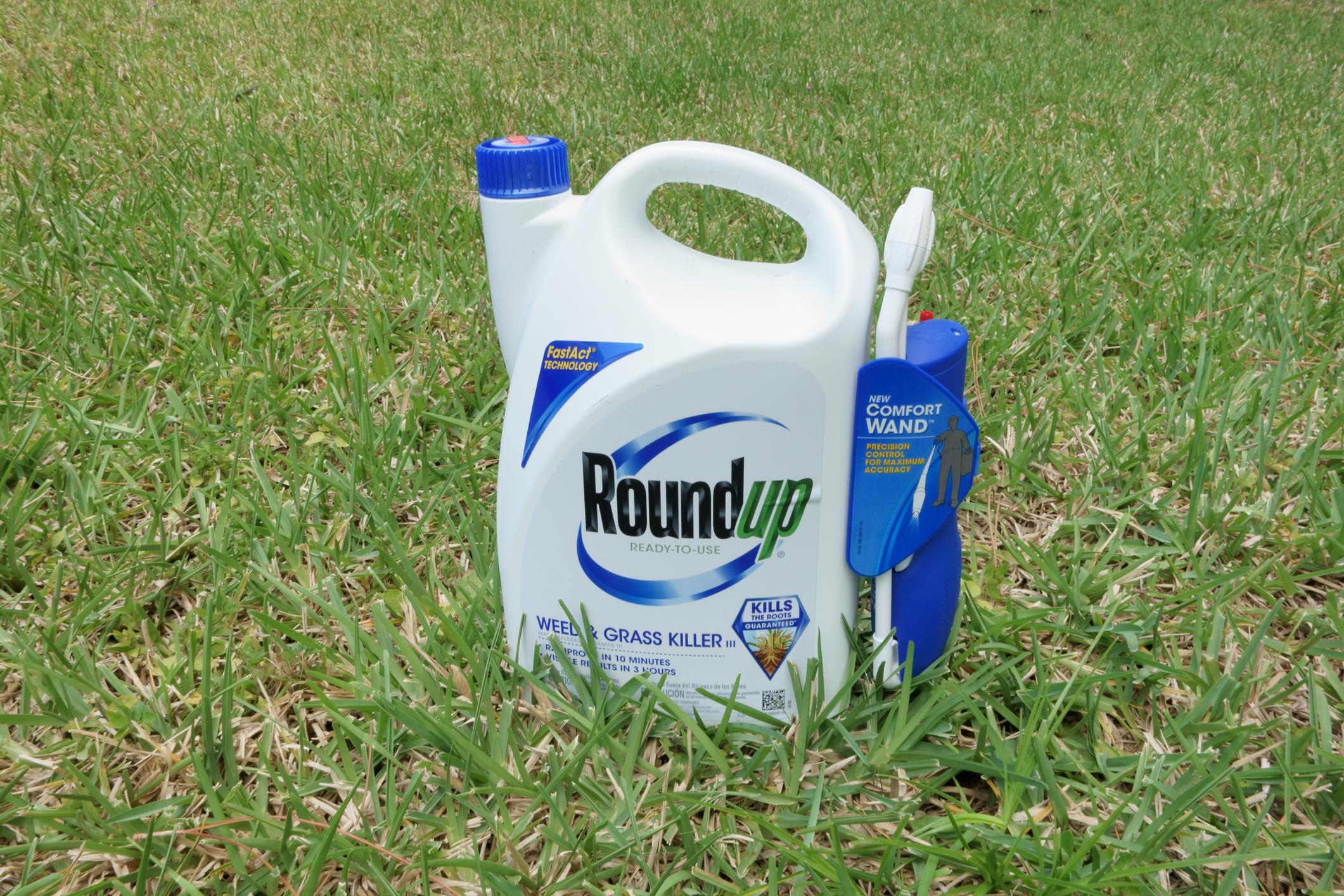
Roundup linked to cancer

The U.S. Supreme Court has agreed to hear a case that could fundamentally reshape one of the largest mass-tort litigations in American history: the lawsuits alleging that Roundup, the widely used weed-killer, causes cancer.

Roundup has been on the market since the 1970s and became a staple of modern agriculture and home gardening. Its active ingredient, glyphosate, has also been the subject of decades of scientific debate. While some laboratory animal studies and limited human data have suggested a link between glyphosate exposure and certain cancers—most notably non-Hodgkin lymphoma—regulators, including the Environmental Protection Agency, have consistently concluded that the product is safe when used as directed.

That regulatory backdrop sits at the heart of the legal question now before the Court. Bayer, which acquired Monsanto in 2018 and inherited its litigation exposure, argues that federal pesticide law preempts state-law failure-to-warn claims. In plain terms, Bayer’s position is that because the EPA controls pesticide labeling nationwide and has approved Roundup’s label, the company should not be subject to liability under state law for failing to include warnings that federal regulators have declined to require.

Smith & Nephew Birmingham Hip Resurfacing System
As we get older, our bodies weaken, bones become sore, and joints break down. Hip and knee problems are common conditions of aging. In fact, in the past decade millions of Americans have had hip replacement surgeries. Unfortunately, some defective artificial hips have caused patients more suffering than their original hip ailments. For one recent example, many patients who received the Birmingham Hip Resurfacing System by Smith & Nephew have had to undergo revision surgeries to cure new and unanticipated problems relating to the medical device. Many of these people have filed lawsuits.

Smith & Nephew’s Birmingham Hip Resurfacing System

Smith & Nephew designs and markets medical devices. One of the medical devices Smith & Nephew manufactures is a joint replacement system. An example of a joint replacement system is a hip implant. The Birmingham Hip Resurfacing (BHR) System is an artificial hip replacement made of metal components. BHRs have been used since 1997. The FDA approved BHRs for use in the United States in 2006; this approval was conditioned on Smith & Nephew reporting and analyzing adverse events, negative side effects, and complaints regarding the BHR. Just like any other medical device or medicine, the BHR must not provide false information (or false hope) to patients about what the device can accomplish.

Client Reviews
★★★★★
I was involved in a case for the faulty hip replacements. Clay Hodges represented me. I can't say enough about how much he has helped me. Clay was able to win multiple settlements on my behalf with most of them being the maximum amount able to be awarded. Matt J.
★★★★★
Clay, thank you sir for making a disheartening experience at least palatable, you and your staff were honest, caring and understanding through the entire process of my wife’s hip replacements, while monetary settlements never make the pain and suffering end, it sometimes is the only way people can fight back to right a wrong. J. V.
★★★★★
We are absolutely pleased with how Clay Hodges handled my husband’s hip replacement claim. He always kept us informed of the progress. And, his work resulted in a settlement which we are extremely pleased. Thank you, Clay! Carol L. & Norm L.
Contact Information