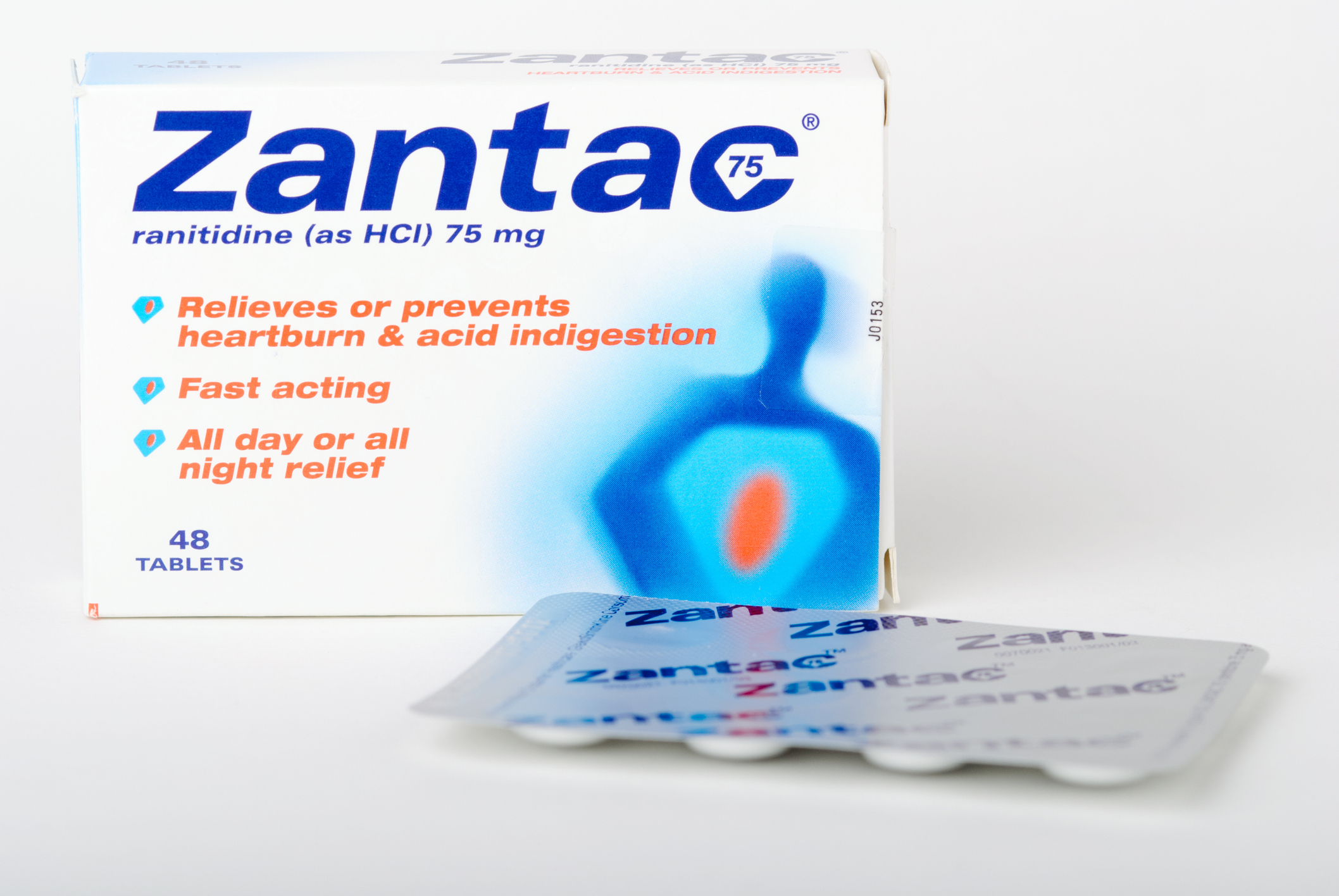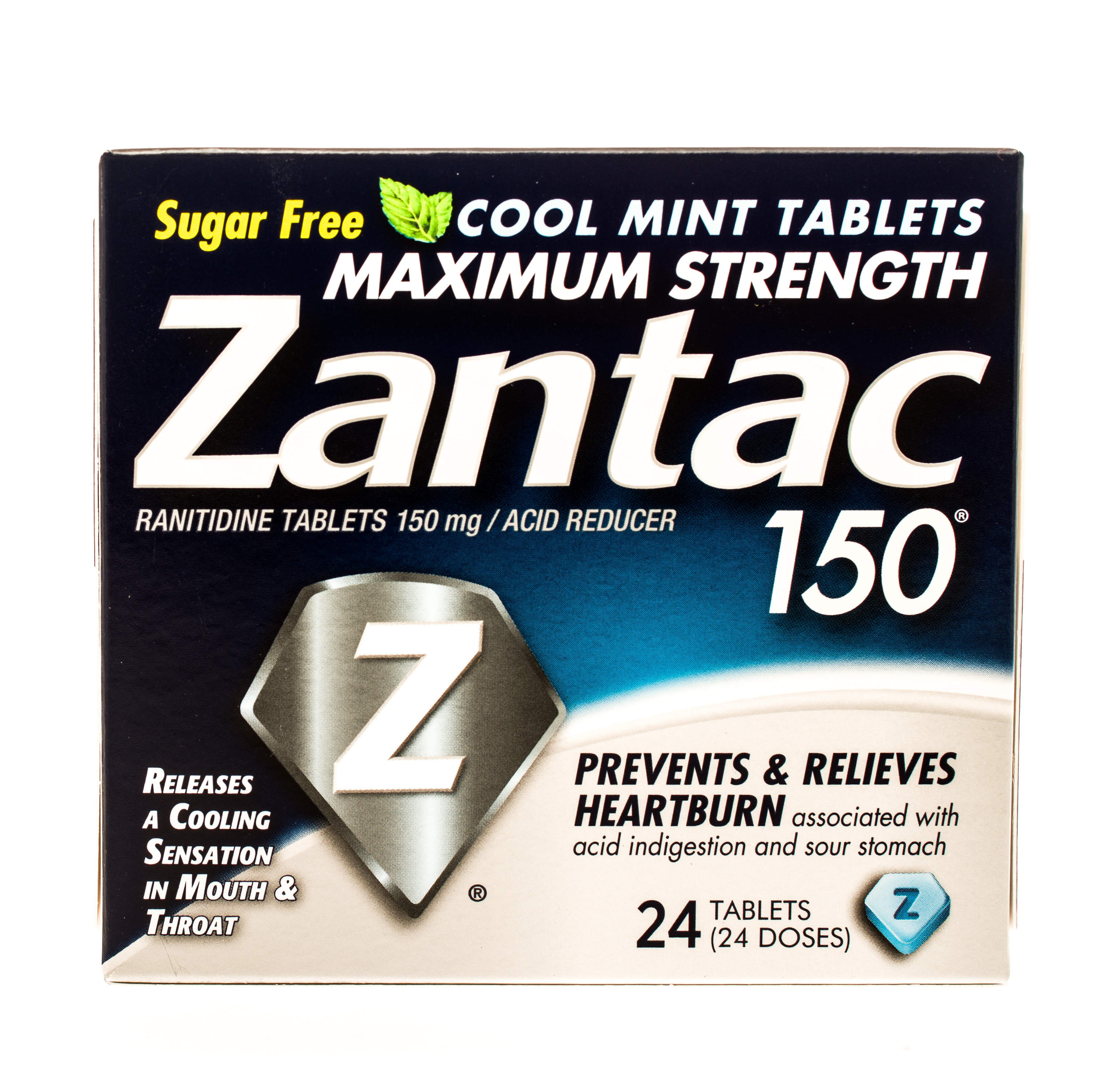
Zantac Master ComplaintIf you truly want to learn about a particular litigation involving a defective product (such as Zantac), the best place to start is the Master Complaint. This is the lengthy comprehensive document filed by the plaintiffs in a multi-district litigation involving a defective product. This does not mean the case is a class action. Most product liability cases are not class action lawsuits but are rather individual lawsuits gathered together in a “multi-district litigation or MDL.” These cases are transferred from across the country in one court, where one federal court judge will oversee the litigation until either (1) a global settlement is reached or (2) the cases are ready to be returned to the their home courts for trial.

The multi-district litigation involving the drug Zantac is located in the Southern District of Florida (MDL No. 2924). On June 22, 2020 the plaintiffs filed their Master Personal Injury Complaint. It is a long and detailed document, and it is worth your time to read if you have taken Zantac over an extended period, and certainly if you have taken Zantac and later developed cancer.
ZantacMany people, understandably, are not thrilled to read a 158-page legal document. So today and in the days to follow I am going to write up key bullet points from the Zantac Master Complaint. First, a few general guidelines: a complaint is the document a plaintiff files in a court to start a civil case. It can be a single page, alleging that the neighbor’s dog bit the plaintiff and caused injuries, or it can be hundreds of pages long, involving many defendants and many claims. The key thing to remember is that the complaint involves allegations, not proven facts. It may well be that every word of a complaint is true and that the plaintiffs provide compelling evidence for every allegation at trial. But at the start of a civil case the complaint should be understood as a series of allegations, which the defendants are allowed to deny and which they often deny. And that’s where the courts and juries come in: to figure out which side has proven its case.

Elmiron and Vision Loss
Elmiron (pentosan polysulfate sodium) is a prescription medication that was approved in 1996 for the treatment of interstitial cystitis. This condition is sometimes referred to as painful bladder syndrome and can consist of a range of symptoms. These can vary from the occasional mild discomfort to constant and significant pain in the bladder or lower abdomen of the body.

Currently, Elmiron is the only FDA-approved oral medication to treat interstitial cystitis. As a result, numerous individuals have taken the medication for an extended period. But over the past few years, several studies have been published that indicate that some people may suffer from vision problems from taking Elmiron. Some of the more notable studies came out in 2018 and 2019.

This blog post will examine the possibility of Elmiron causing vision loss in patients, its current status with the U.S. Food and Drug Administration (FDA), and what its makers, Janssen Pharmaceuticals, Inc. (Janssen) and Johnson & Johnson, potentially face in litigation.

Smith & Nephew Birmingham hip litigation
COVID-19 has altered everyone’s schedule. Schools, colleges, and restaurants have closed. Even courts have shut down for non-urgent hearings and trials. In June, Judge Catherine Blake, overseeing the Smith & Nephew Birmingham hip litigation, issued an amended Case Management Order to extend discovery deadlines and bellwether trial dates for the multidistrict litigation.

Remember the Smith & Nephew Birmingham hip MDL is moving forward on two tracks: one set of cases involve the BHR components that were used in hip resurfacing procedures, and a second set of cases (“THA Track”) involve those individuals who received Birmingham hip components as part of a total hip arthroplasty (THA). Let’s breakdown the recent schedule changes for each track:

BHR (Resurfacing) Track:

Zantac and cancer
Earlier this year I wrote a blog post that discussed the recent revelation that Zantac might cause cancer. Scientists found a link between N-Nitrosodimethylamine (NDMA), a likely cancer-causing substance, and ranitidine, the key ingredient in Zantac.

A few things have changed since that blog post, such as the U.S. Food and Drug Administration (FDA) asking all manufacturers to immediately recall drugs containing ranitidine from the market.

Why Did the FDA Ask for a Recall?

Soldier exposed to harmful levels of noise
Litigation involving 3M Dual-Ended Combat Arms Earplugs (“3M Earplugs”) is advancing. Recently deposition testimony from 3M and Aearo employees was made public, and some of the answers are troubling. It brings me no joy to play the role of Chicken Little, but when companies are tempted by massive profits, too often those companies will cut corners on consumer safety. In this case, those consumers were millions of soldiers serving their country from 2003 to 2015.

First, in a recent deposition a 3M marketing manager confirmed that 3M was selling the dual-ended earplugs to the military for $7.63, even though it cost the company just $.85 to manufacture, a 900% markup. In an email the 3M employee remarked “LOL,” apparently about the hefty price increase for the 3M Earplugs.

Second, as I wrote about a year ago, one of the central allegations in the soldiers’ claims against 3M is that the company did not adequately test the 3M Earplugs before selling millions of them to the military. Nevertheless, in deposition testimony 3M officials stated that they did not believe it was necessary for soldiers to know that the earplugs were tested under conditions that were different from the conditions the soldiers would experience in the field. In fact, a former vice-president at Aearo Technologies testified that he thought it was OK to conceal information from the government about potential defects in the earplugs. He also confirmed that it was acceptable to sell a product and conceal information that the product could have a negative effect on soldiers.

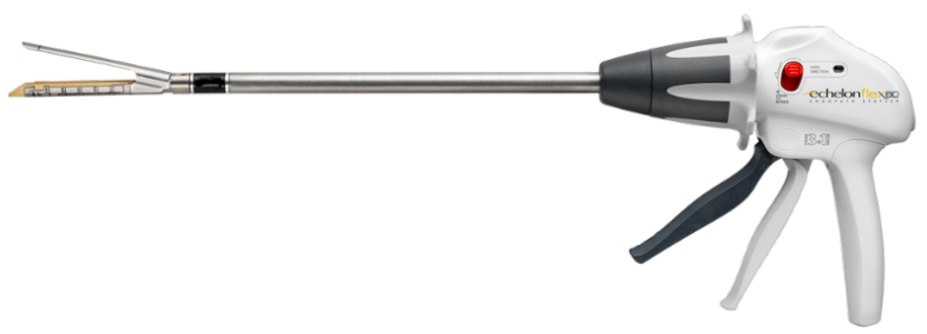
Image of the ECHELON FLEX ENDOPATH StaplerDuring the course of surgery, a doctor may need to find a way to connect sections of organs or close wounds. One way to do this is through the use of sutures, a special type of thread. Another way is with the use of surgical staples. The Ethicon surgical stapler is pictured at right.


Doctors commonly use staples over sutures during surgery because they offer several advantages, including:

  • Lower risk of infection

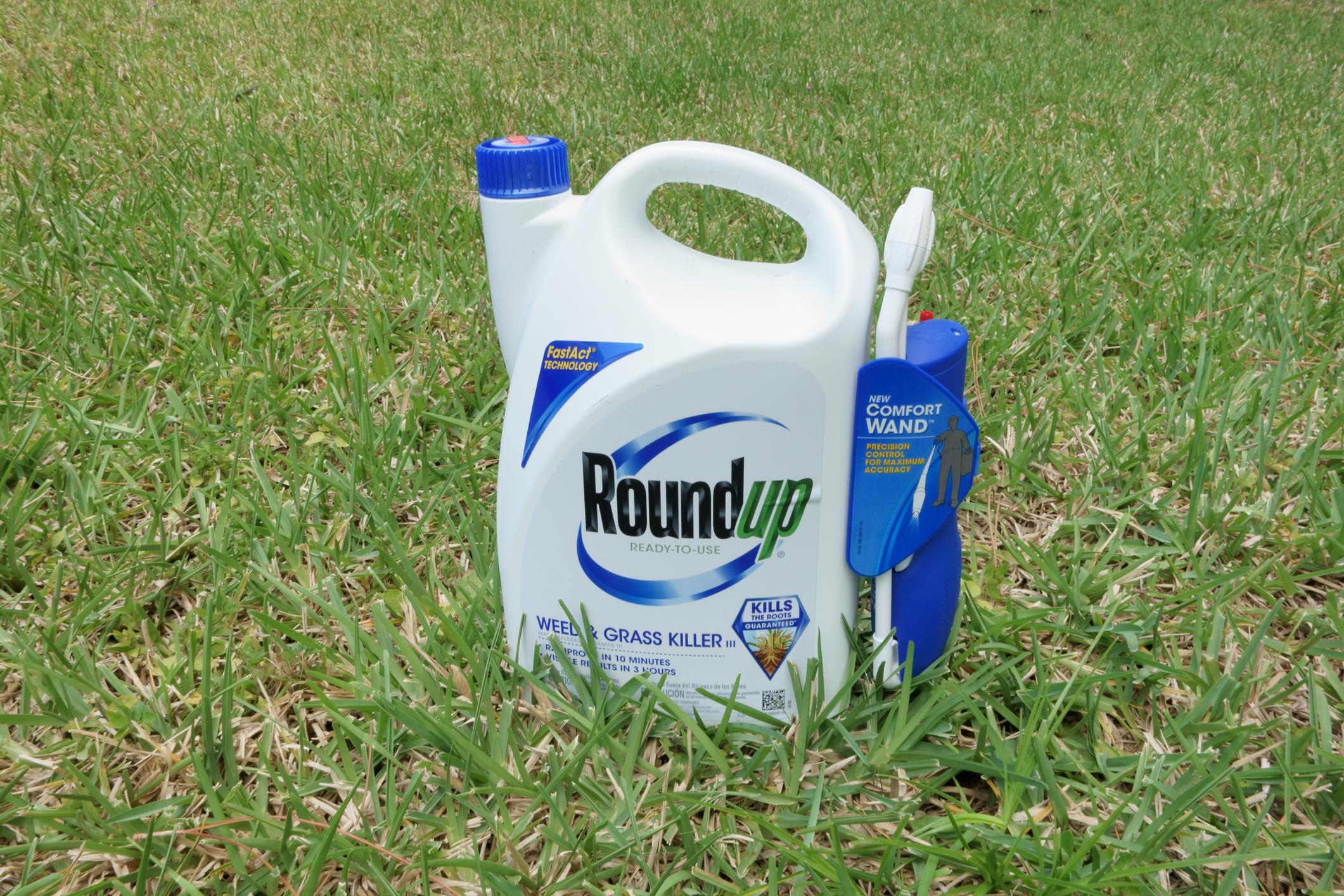
Roundup Settlement News
All you have to do is Google a phrase like “Roundup Settlement” and you will get plenty to read. Some articles suggest a massive settlement agreement may be announced any day, while another post may trumpet: “Parties Still Far Apart on Roundup Settlement.” Who is right? The truth is, aside from a very few people, like chief mediator Kenneth Feinberg, no one can say for sure. But this much is true: multi-billion-dollar settlements in massive product liability cases take a long time to complete.

What We Know

So this is what we know as of today: Bayer AG and Monsanto, the two corporate defendants, have been in negotiations with the plaintiffs’ executive teams for several months to attempt a settlement that is reasonable and fair. Multiple media outlets, including The New York Times, are reporting that both sides are discussing a settlement that could involve tens of thousands of plaintiffs and may reach $10 billion dollars. A few media reports indicate the sides are getting closer to a settlement. And if so, that is good news. Still, even though the Wall Street Journal has recently reported that “draft settlement terms” have been reached between defendants and several larger plaintiffs’ law firms, the article also stated that “[a] formal deal hasn’t been signed and could yet fall apart.” So be very cautious about optimistic reports of settlements. Often the final, smaller details are the hardest to hammer out.

The human hip is a marvel of bioengineering. It allows for a 360-degree range of motion due to its “ball-in-socket” design. But as we age, this hip joint can sometimes fail. When it does, it may require a total hip replacement.

Artificial Hip
Hip replacements often use a variety of exotic metal alloys or ceramics to recreate the ball-in-socket mechanism of the human hip. A total hip replacement will typically consist of four parts:

  • The socket (or acetabular component).

ecigteen01-256x300These days the e-cigarette headlines mostly involve people who have suffered serious and even mysterious illnesses as a result of vaping devices. And maybe that is as it should be. But for me, one of the more devastating aspects of this e-cigarette nightmare is that today millions of school-age children have become addicted to nicotine, an addiction most of them would have never suffered if e-cigarettes were not marketed to children.

Childhood Nicotine Addiction is No Accident

JUUL Labs, Inc. targeted children in its marketing campaigns. The company spent millions promoting kid-friendly fruit-flavored vape pods. JUUL paid for and developed social media campaigns on Instagram, YouTube, Twitter, and other platforms. Although the main JUUL Instagram account is now inactive, many other JUUL or vape-related sites feature young people exhaling clouds of the white vapor while sitting on a beach, on the bleachers of a school football field, or driving around town. Congress developed evidence last year that JUUL created an “influencer program” with more than 25,000 social media personalities paid to market the JUUL device to teens. And it worked. As the graph at right shows, seven in ten teens were exposed in some form to e-cigarette advertising.

Zantac and cancer-causing NDMA
Many of us suffer from heartburn, and one of the most popular ways to treat it is by taking Zantac. Until recently, Zantac was considered a very safe medication and was available without a prescription.

Given how well it worked, along with its affordable price and the perception of safety, hundreds of thousands of people, if not millions, took Zantac. In the fall of last year, the US Food and Drug Administration (FDA) reported that this popular drug might contain N-Nitrosodimethylamine (NDMA), a likely cancer-causing substance.

The past few months have resulted in mass voluntary recalls and a rush of FDA updates and reports about the possible dangers of taking Zantac and what it means for consumers. This blog post will attempt to summarize what’s going on and briefly discuss what happens next.

Client Reviews
★★★★★
I was involved in a case for the faulty hip replacements. Clay Hodges represented me. I can't say enough about how much he has helped me. Clay was able to win multiple settlements on my behalf with most of them being the maximum amount able to be awarded. Matt J.
★★★★★
Clay, thank you sir for making a disheartening experience at least palatable, you and your staff were honest, caring and understanding through the entire process of my wife’s hip replacements, while monetary settlements never make the pain and suffering end, it sometimes is the only way people can fight back to right a wrong. J. V.
★★★★★
We are absolutely pleased with how Clay Hodges handled my husband’s hip replacement claim. He always kept us informed of the progress. And, his work resulted in a settlement which we are extremely pleased. Thank you, Clay! Carol L. & Norm L.
Contact Information